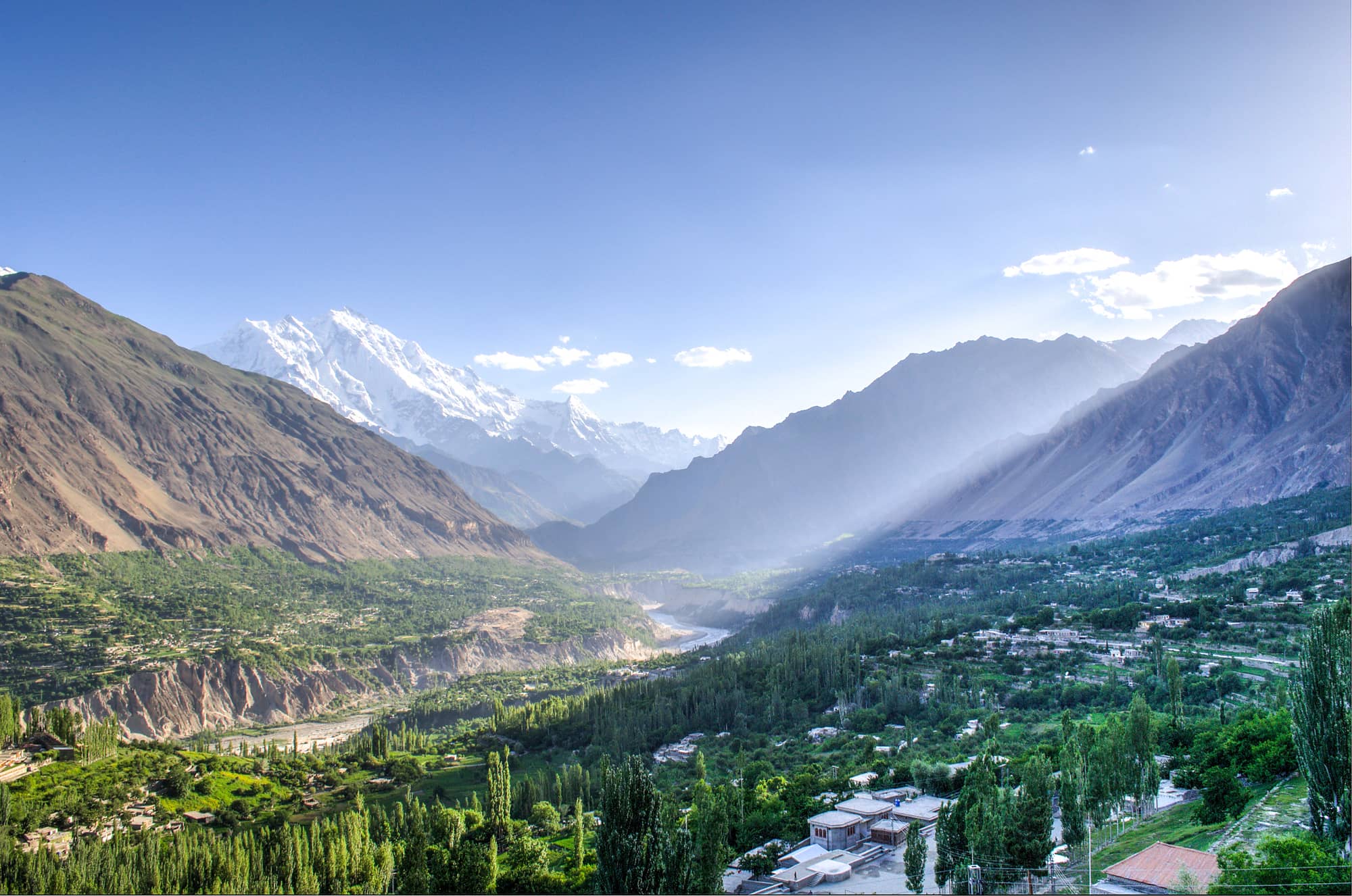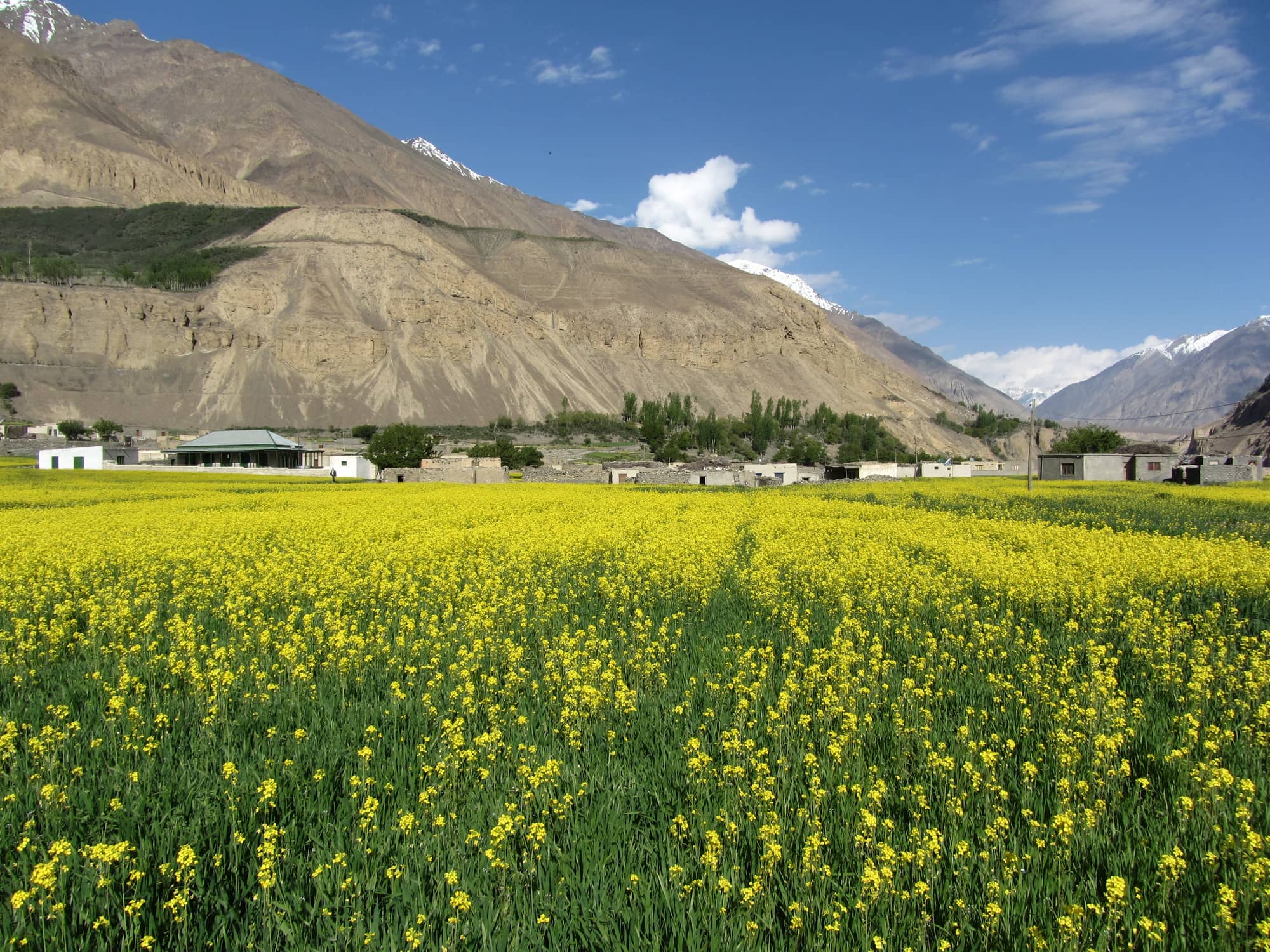
Shimshal is one of the most remote villages in Pakistan, at the end of a long valley in Gojal, Upper Hunza. Its life has long followed a yearly rhythm between the fields of the village and the high summer pastures of the Shimshal Pamir. Kuch (or Kooch) is that journey, and the celebrations that go with it: one Shimshali farmer describes it simply as the 'celebration of migration to and from Pamir'.
When the sowing is done
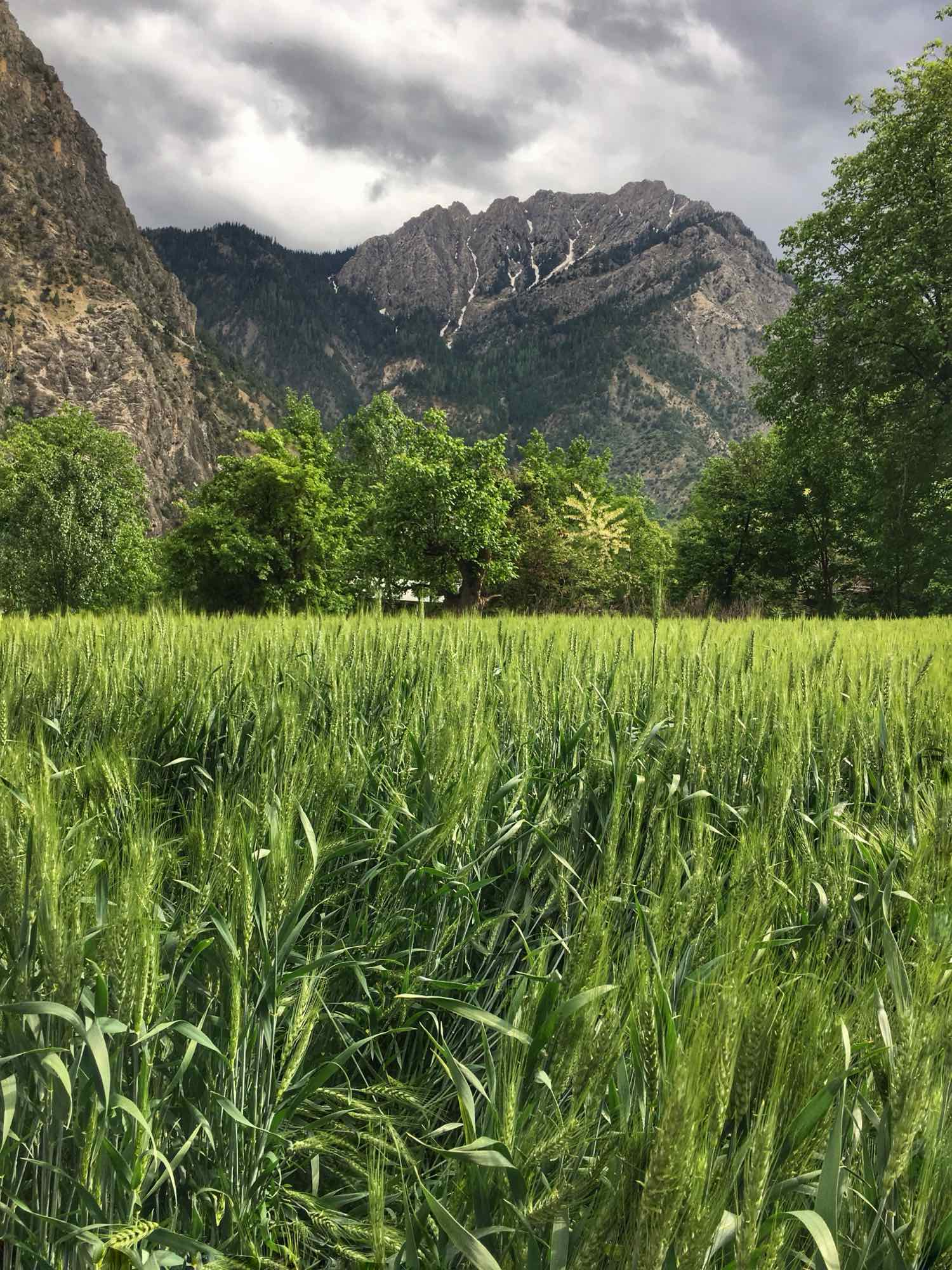
Kuch follows the farming calendar. When the sowing is completed, around the end of May, a large part of the community prepares to leave for the pastures. In the account of the Shimshali farmer Chiragh Ali, the elders fix the day of departure at Safza Sar, a celebration of the first green shoots when villagers take butter and flour to the fields to welcome the young crop. A few people go ahead to bring down yaks from the Pamir to carry the loads; when they arrive, the women set out with the herds.
The herds move in stages – first to the pastures at Shuizherav, then, around the end of June, on to Shuwerth, described by researchers as the largest pastoral settlement in the Shimshal valley. Yaks carry the household goods while the sheep and goats follow more slowly along the route towards the Shimshal Pass.
Milk, butter and blessings
Arrival at the pastures is marked with care. According to Chiragh Ali, the most senior woman begins the milking of the yaks only after checking the position of the stars; then each senior woman milks the animals of her close relatives. A few days later comes Mirgichig, a purification rite of thanksgiving: the animals are decorated with colourful cloths and sprinkled with milk and curd. On the following day, the first fresh butter is offered for the community in the name of God.
Through the summer, much of the work at the pastures is done by women – grazing the herds, milking, and making cheese, yoghurt and butter, and keeping watch at night against predators. Grain goes up from the village to the pastures, and dairy produce comes back down.
On the day of the Kooch festival all the women and men from the village go to the riverbank to welcome them.
Coming home
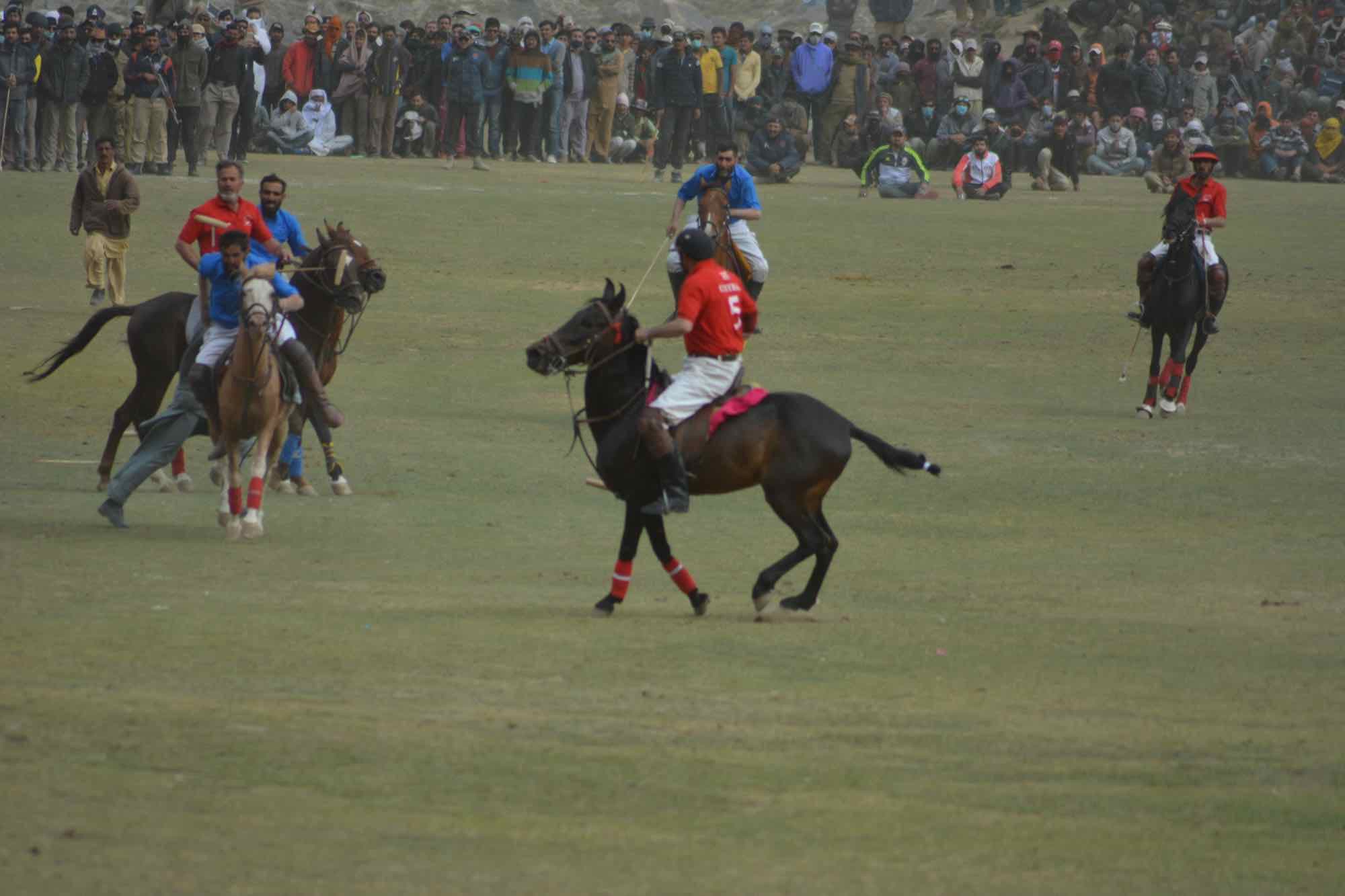
In autumn, the livestock are brought down from the pastures together, and the village turns out to welcome the herders home. Accounts also describe a playful contest, played between those returning from the pastures and those who stayed in the village.
A changing tradition
Like many mountain traditions, Kuch is changing. A writer who joined the migration in 2009 and 2014 noted in 2020 that the tradition was waning, as fewer families go up to the pastures each year. If you hope to see any part of it, ask well ahead: the timing depends on the season and on the families themselves, and there is no fixed festival date.