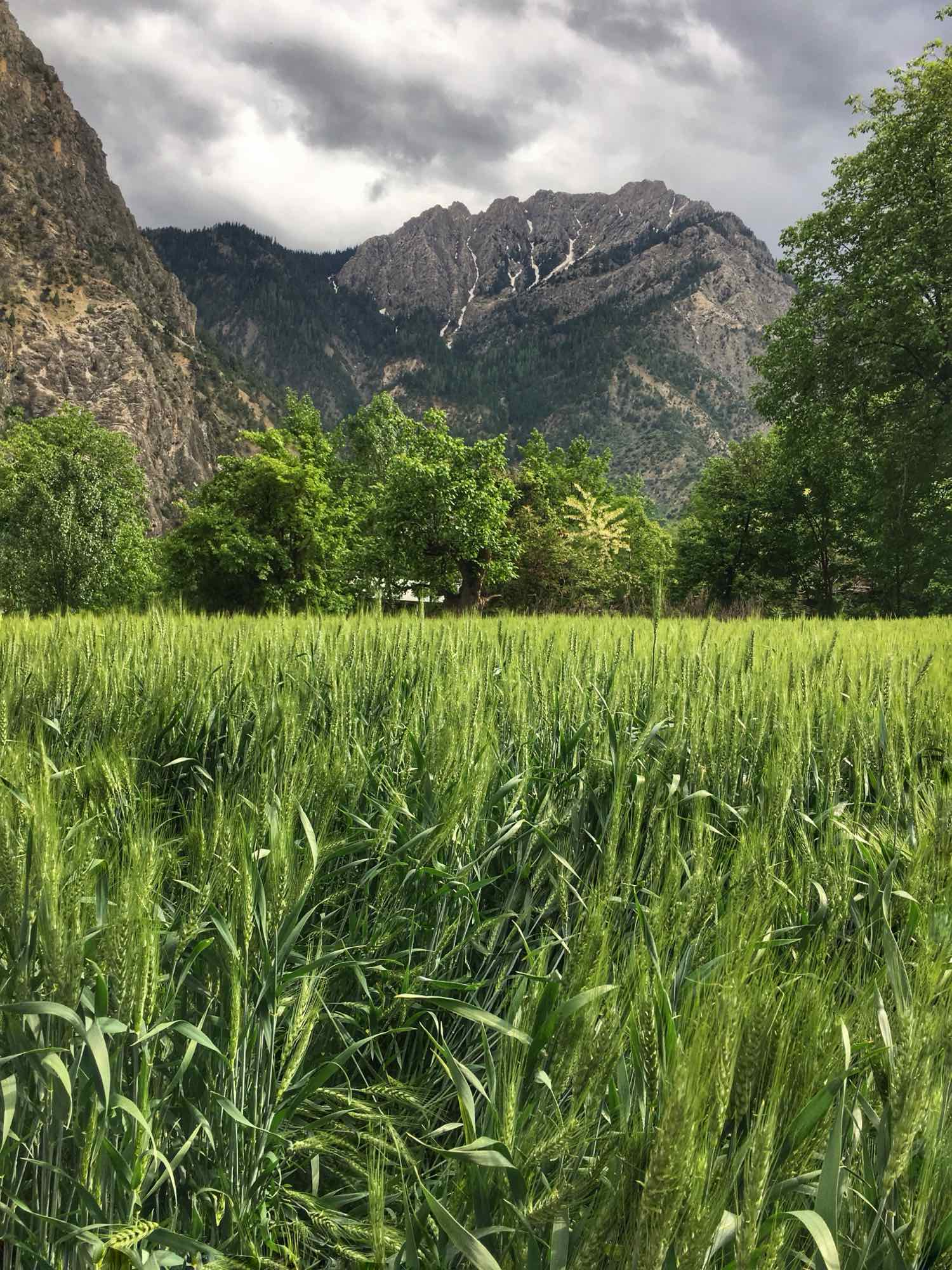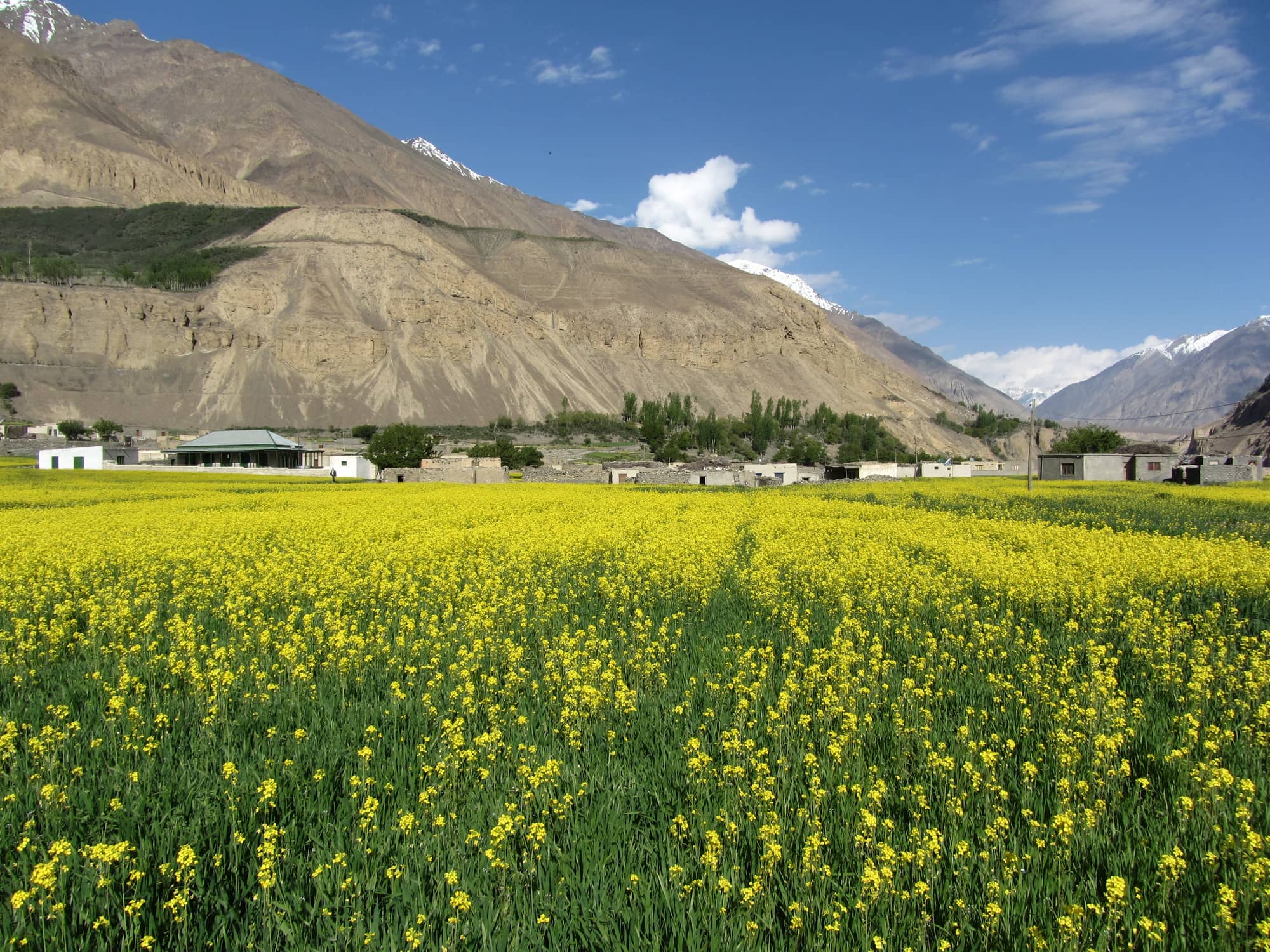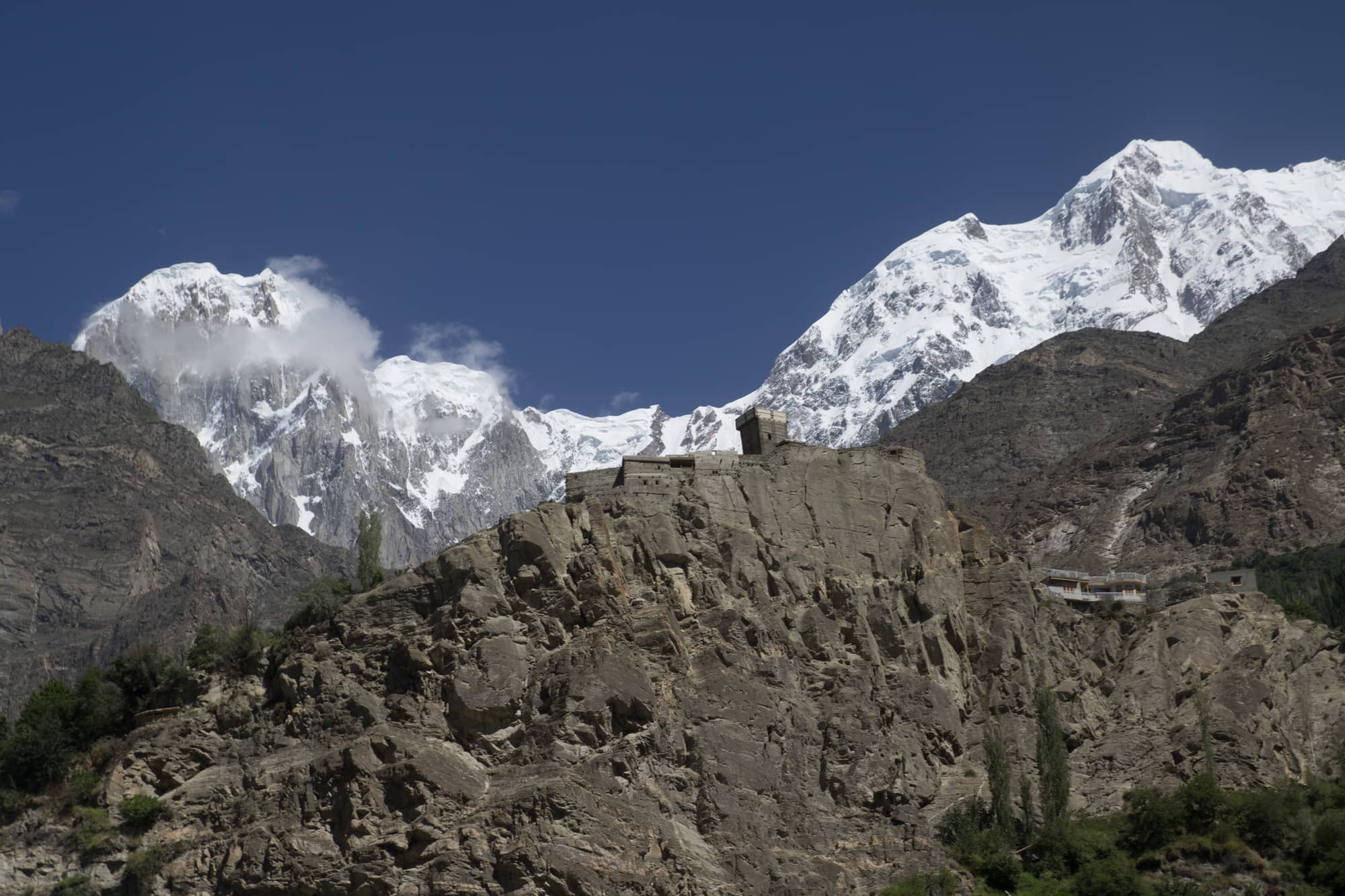
In Burushaski, the language of Hunza, bo means seed and fao the scattering of grain. Bofao (also Bopfao or Bafao) was the festival that opened the farming year in Hunza – a royal occasion, led by the Mir, the ruler of the former princely state, and centred on Altit, the oldest of Hunza's fort villages.
When and where
Bofao was held in late winter, traditionally in February, once the valley was warm enough to sow wheat. Further up the valley, where it is colder, the farming season starts later. The festival's home is Altit, around Altit Fort and its polo ground.
A royal sowing
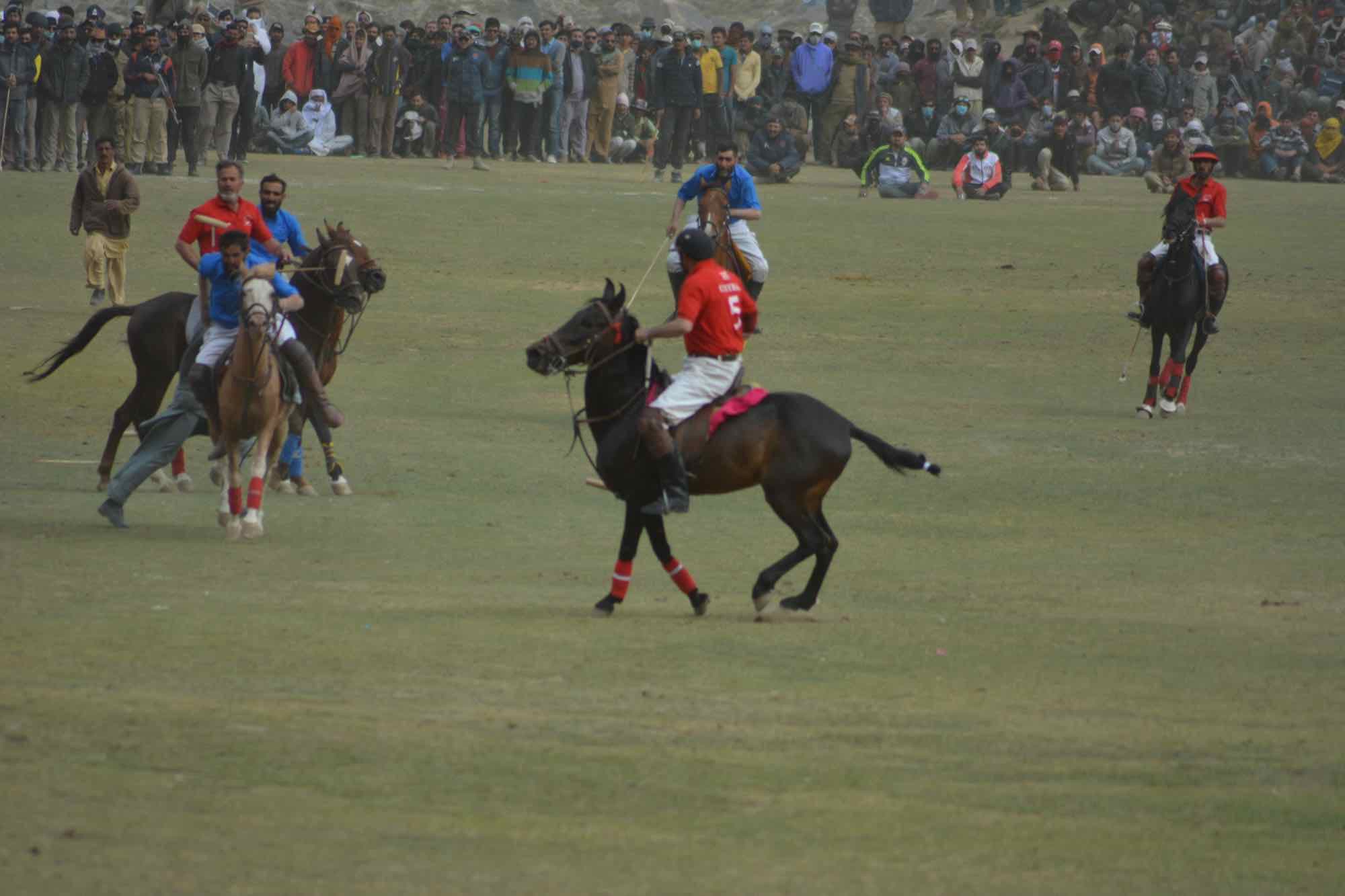
Writing in 1880, the British official John Biddulph described the sowing festivals of the region, and noted that Hunza and Nagar kept theirs in spring. In his account, the ruler's seed was held over the smoke of a sacred juniper or cedar fire; the ruler scattered grain over the gathered crowd and ploughed the first furrows with a yoke of oxen, and the day ended with archery, dancing, singing and polo. On the following day, every landholder ploughed a few yards of his own as a token.
Before the princely state was abolished in the 1970s, the royal family would stay at Altit Fort for the festival. With the end of princely rule, Bofao lapsed.
The revival
In February 2016, after more than four decades, Bofao returned to Altit. Mir Ghazanfar Ali Khan, then Governor of Gilgit-Baltistan and the titular Mir of Hunza, rode a white horse in royal dress from Altit Fort to the polo ground, welcomed by elders to the beat of local music. Singers recited poems praying for a good wheat harvest, young people danced in traditional dress, and the Mir ploughed a symbolic furrow with a pair of oxen.
Bafao means wheat sowing in the local Burushaski language.
Visiting
The 2016 revival drew large local crowds alongside visitors from Pakistan and abroad. Whether and when Bofao is held can vary from year to year, so ask before you plan around it. Altit itself – the fort, its gardens and the old village lanes – is worth the visit in any season.